CNC machining is an important tool in modern manufacturing. It is controlled by CNC to make parts with high accuracy and efficiency. This is vital for companies wishing to remain competitive and profitable.
But what are the factors that affect the cost of CNC machining? How can we effectively reduce costs and achieve more economically efficient production activities? This is a concern for many companies. In the pages that follow, Yonglihao Machinery will take you through these questions and help you make more economical CNC machining decisions.
What is CNC Machining?
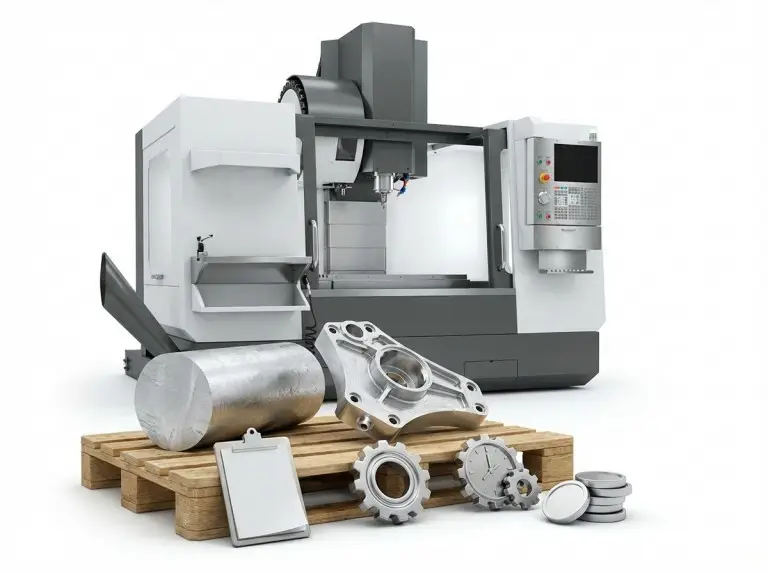
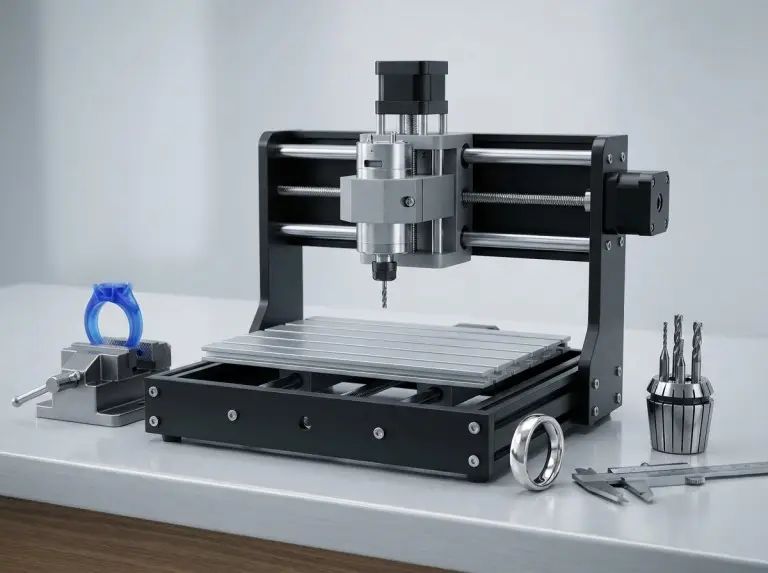
To find out how much CNC machining costs, you need to know more about how it works. So, what is CNC machining? It is a manufacturing method that uses high-speed automated cutting tools to process metals and plastics. Precision work can be accomplished using standard CNC machines. Such as lathes, routers, and three-, four-, and five-axis milling machines.
Computer-aided design (CAD) models tell the CNC machine how to work and give it the geometric information it needs to cut. A good machinist will plan the tool paths based on the shape of the part being machined. Custom CNC-machined parts are important in many fields, including medicine, aerospace, and robotics. And CNC machining technology is key to these fields.

CNC Machining Average Costs
CNC machining costs are calculated either by the hour or per part, depending on project complexity and production volume. For example:
- 3-axis milling or turning: $70–$125 per hour, suitable for simpler parts.
- 5-axis machining: $150–$250 per hour, ideal for complex shapes requiring higher precision.
The cost per piece also varies with batch size:
- Prototypes or small batches (1–10 pieces): Over $100 per piece due to higher setup fees.
- Large batches (1,000+ pieces): Costs drop to just a few dollars per piece, thanks to economies of scale.
For instance, a simple aluminum gasket (3-axis machining, 0.5 hours) costs about $100. Meanwhile, a complex titanium bracket (5-axis machining, 5 hours) can cost $1,320, including materials and post-processing.
These averages are useful for budgeting, but actual quotes depend on factors like the supplier’s location. For example, machining costs in the U.S. are typically higher than in Asia.
Understanding CNC Machining Costs
Labor Costs
Labor is a major factor in CNC machining costs. It includes the wages of CNC engineers and operators, whose expertise is essential for programming, setup, and operation. Complex projects requiring precision increase labor costs, as they demand more time and skill. Skilled CNC programmers earn $30–$50 per hour. Balancing labor costs with efficiency is key to cost-effective machining.
Overhead and Operating Costs
Overhead and operating costs significantly impact CNC machining prices. These include expenses like facility maintenance, utilities, administrative tasks, and quality control. Managing these costs efficiently helps maintain competitive pricing. Streamlining operations can cut unnecessary expenses while preserving quality and profitability. For tailored advice, consult a professional engineer.
Scrap and Rework
CNC machining, as a subtractive process, often generates material waste. Errors and deviations from specifications can increase costs and disrupt production schedules. To minimize these issues, strict quality control and precise machining are essential. Keeping the scrap rate below 5% can significantly reduce costs.

Factors Affecting the Cost of CNC Machining
CNC machining costs depend on several factors. Understanding these can help businesses improve efficiency and control expenses. Key factors include:
Material Selection
CNC Material choice greatly affects costs. High-performance materials like titanium or stainless steel are pricier than plastics or softer metals. Harder materials take longer to machine, wear tools faster, and increase costs.
Market fluctuations also impact material prices. For example, aluminum alloy costs $3–$4 per kilogram, while titanium costs $20–$50 per kilogram. Post-processing requirements for certain materials can further raise costs. Balancing performance and cost is crucial when selecting materials.
| Material Type | Description | 2025 Approximate Price (USD/kg) |
|---|---|---|
| Aluminum Alloy (AL6061) | Easy to machine, lightweight | 3–4 |
| Stainless Steel (SS304) | Corrosion-resistant, strong | 3–4 |
| Titanium | High strength, corrosion-resistant | 20–50 |
| ABS Plastic | Economical, easy to form | 2–3 |
Design Complexity
Design complexity is a major cost driver. Complex shapes require advanced programming, precise tools, and longer setup times. Multi-axis machining centers, which handle intricate designs, are more expensive to operate. Tight tolerances also increase costs, as they demand high-tech tools and skilled workers.
Simpler designs can save up to 30% in costs by reducing machining time. Complex designs, on the other hand, may require special tools and techniques, further driving up expenses.
Production Batch Size
Batch size directly affects machining costs. Larger batches benefit from economies of scale, reducing the cost per part. Fixed costs like setup are spread across more parts, making production more efficient.
In small batches, setup costs account for a larger share of the total, increasing the unit price. Finding the right balance between batch size and setup efficiency is crucial. Large batches (1,000+ pieces) can reduce unit costs by 80–90%.
Machine Running Time
CNC Machining time is another key factor. Longer machining times mean higher costs. This includes both cutting time (cycle time) and preparation time, such as tool changes.
Complex parts take longer to machine, increasing costs. Setup time is especially significant in small-batch production. For 5-axis machines, the average hourly rate is $100–$150.
Labor Costs
Skilled labor is essential for CNC machining. Workers set up, program, and operate machines, and their wages depend on the job’s complexity. Managing labor costs while maintaining quality is critical for cost control.

Additional Costs
In addition, the cost of CNC machining may be affected by additional costs.
Machine Tools
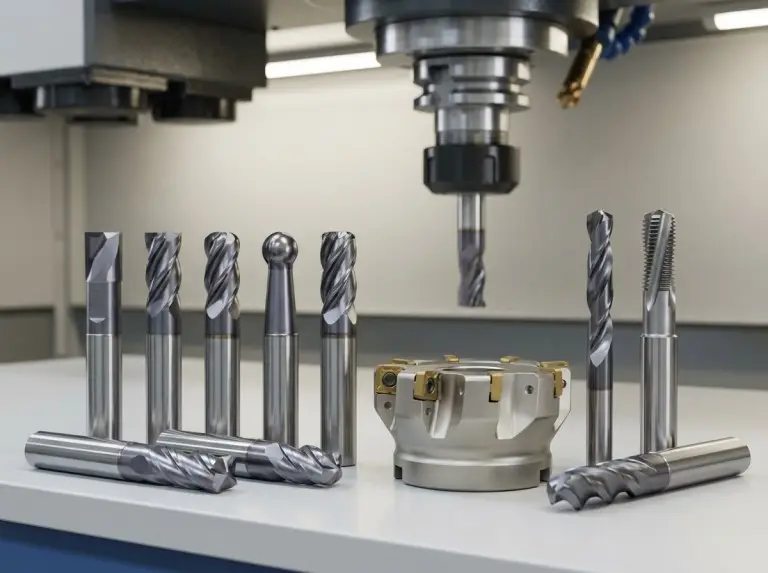
Special tools are often needed for specific CNC parts. These tools wear out during production, especially when machining hard materials. Tool maintenance and replacement add to costs. Keeping tools in good condition is essential for reducing expenses.
Surface Treatment
Surface treatments enhance functionality and appearance but can increase costs. Complex treatments require more time and specialized tools. Balancing functional needs with cost is important during design and production planning.
Time
Time affects both production speed and cost. High-speed machines can reduce machining time, lowering costs. However, rush orders often require extra resources, increasing expenses. Both manufacturers and customers should carefully consider how deadlines impact costs.
Transportation Costs
Shipping costs depend on part size, weight, and packaging. Heavier items cost more to transport. These expenses can significantly affect overall CNC machining costs.

Strategies to Reduce CNC Machining Costs
Optimise Design for Manufacturing
Optimizing part design to improve manufacturability is the key to reducing CNC machining costs. Here are some tips Yonglihao Machinery suggests for achieving cost-effective designs:
- Simplify Geometry: Minimise the complexity of the part design. Simple shapes are faster and easier to machine, which can lead to significant cost reductions.
- Minimise tight tolerances: Specify tight tolerances only on critical parts. Tighter tolerances require more precise machining, which adds time and cost.
- Avoid unnecessary features: Every feature on a part adds machining time and complexity. Eliminate features that are not important to the functionality of the part or to the assembly.
- Tool Access Design: Ensure that all features are easily accessible through standard cutting tools. Complex tool paths increase machining time and cost.

Efficient Material Use and Machine Selection
Choosing the right materials and machines for your project can lead to significant cost savings:
- Choose cost-effective materials: Choose materials that are easy to machine. They must meet the part’s needs without being too costly.
- Use standard material sizes: Design parts to fit standard material sizes to minimize waste and reduce material costs.
- Choose the right machine: Use the CNC machine that is best suited for the job. For example, for parts that don’t require complex features or 5-axis machining, a simpler 3-axis machine may be sufficient.
Volume Production and Supplier Collaboration
Increasing throughput and working closely with suppliers can also help to reduce costs:
- Take advantage of economies of scale: Make more efficient use of materials and machine set-up time to produce parts in large volumes to reduce unit costs.
- Negotiate with suppliers: Build strong relationships with material suppliers and CNC machine service providers. Suppliers can offer discounts for volume purchases or repeat business.
- Collaborate for design feedback: Work with a dedicated machining partner, such as Yonglihao Machinery, to get feedback on how to make your design more manufacturable. We have expert insights that can lead to cost savings.
Implementing these strategies requires a balanced approach. It must consider the trade-offs between cost, quality, and performance. However, by focusing on design optimization, efficient material use, and effective supplier collaboration, manufacturers can significantly reduce CNC machining costs while still meeting their production goals.

Conclusion
Understanding and managing CNC machining costs is critical to optimizing productivity and profitability. This paper has highlighted the importance of considering many factors in CNC machining costing. These include labor, equipment, material choice, and design complexity. Costs can be significantly reduced using strategies such as design optimization, efficient material use, and volume production. If you have questions on this topic, you can ask a prototyping company like Yonglihao Machinery. We can give you high-quality cnc machine services. We can also provide expert metal machining cost solutions. These will meet your budget and keep your business competitive!
FAQ
How Much Does a CNC Machine Cost?
The price of a CNC machine varies depending on its type and functions. A basic CNC milling machine may range from 10,000 to 60,000 USD, while an advanced 5-axis machine may range from 75,000 to 250,000 USD.
What Factors Affect CNC Machining Costs?
Factors affecting CNC machining costs include labor costs, machine and equipment costs, material selection, design complexity, and operating expenses.
Does the Design of a Part Affect Its CNC Machining Cost?
Yes, design complexity can significantly affect machining costs. Simplifying designs, minimizing strict tolerances, and unnecessary features can reduce costs.
How Can I Reduce CNC Machining Costs?
Cost reduction strategies include optimizing part designs to improve manufacturability, selecting cost-effective materials, using the most appropriate machines, and ordering parts in large quantities.
Is Machining Metal or Plastic Cheaper?
Generally speaking, plastic is cheaper to machine than metal because raw material costs are lower and the machining process is easier. However, the choice should consider the part’s application requirements.
What is the Hourly Rate for CNC Machining in 2025?
According to the latest data, the hourly rate for 3-axis machines is about 35-100 USD, and for 5-axis it can reach 100-150 USD, depending on complexity and region.
How Does Batch Production Affect Costs?
Large batches can reduce unit costs through economies of scale, for example, orders over 1000 pieces can save 80-90%.
What Impact Does Material Selection Have on Costs?
High-performance materials such as titanium have higher costs, while aluminum is more economical. Market fluctuations in 2025 may lead to price increases of 5-10%.