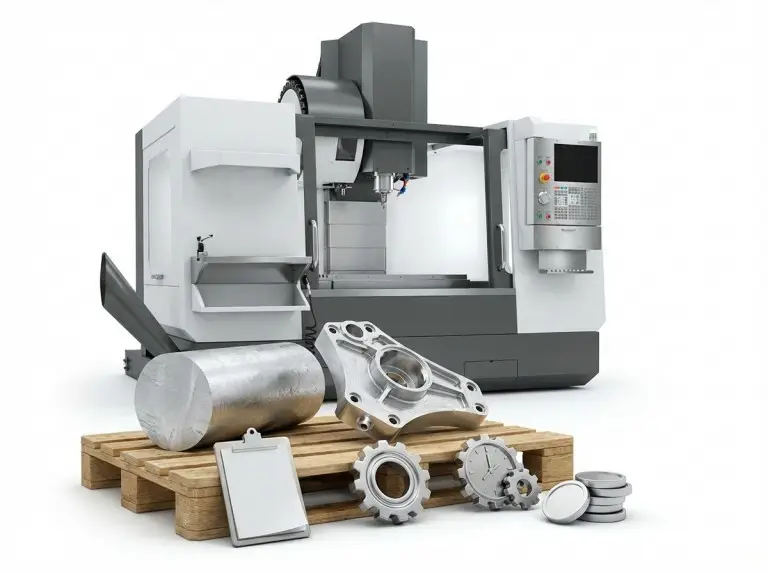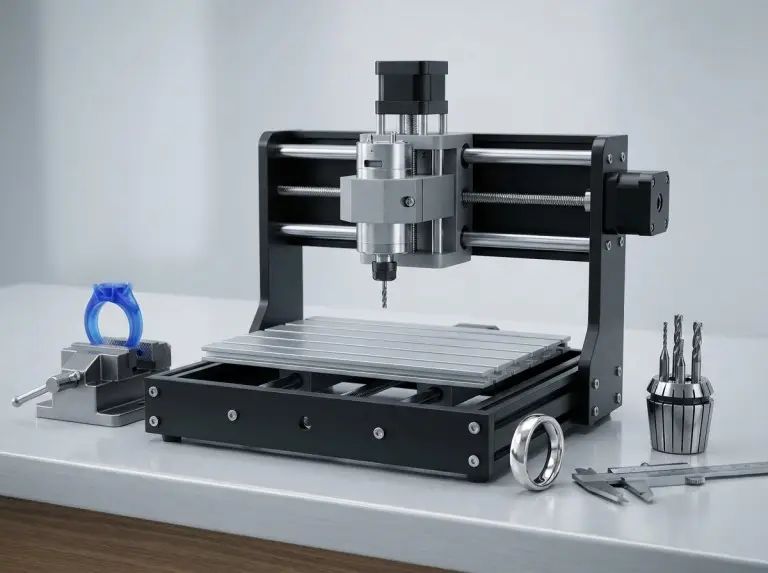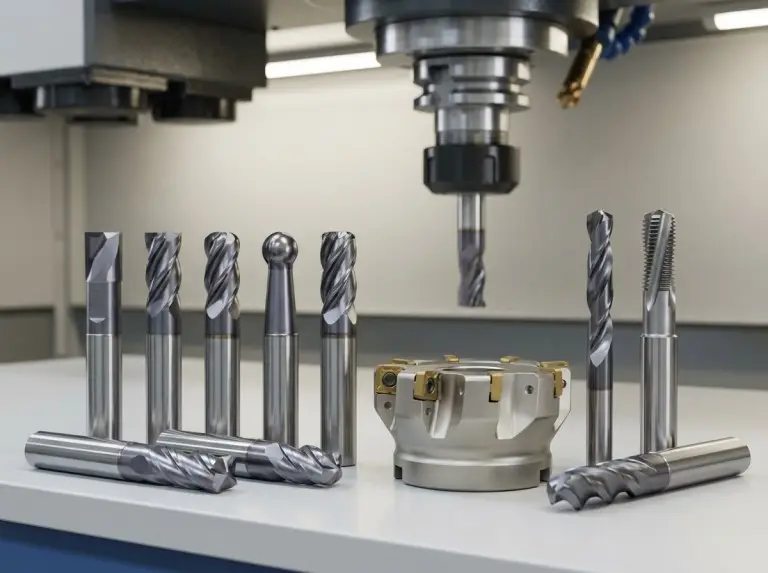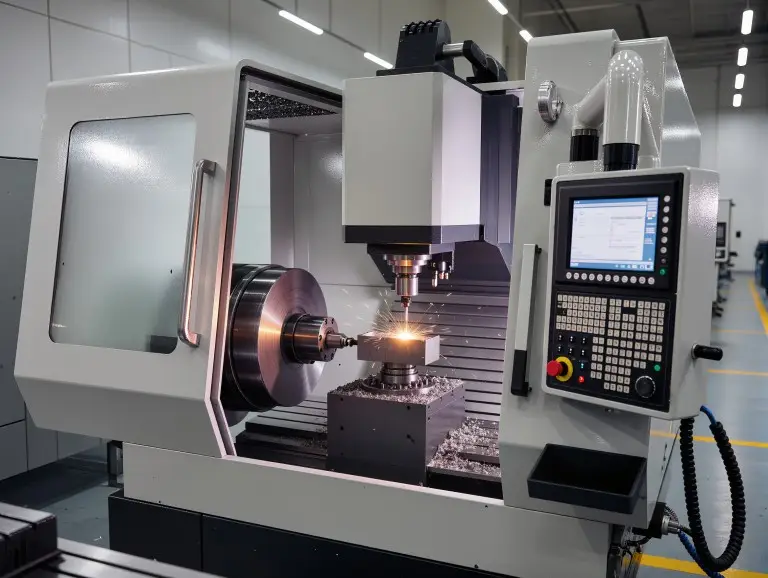

Before starting CNC (Computer Numerical Control) machining, it’s important to know the basics. These include checking project needs, picking materials, creating CAD models, converting programs, setting up machines, and verifying quality. These steps can reduce errors and improve efficiency. This guide explains what you need to know about CNC machining. It covers low-volume and high-volume production, benefits, outsourcing tips, and design advice.
Why Is Preparation Necessary Before CNC Machining?
CNC machining is a process where machines remove material to create custom parts. It uses computer codes to guide the machines. Careful planning is needed to avoid wasting time and resources. For example, in car manufacturing, checking tolerances (e.g., within 0.01mm) early can prevent rework. Whether you do the work in-house or outsource it, knowing these basics can make the process smoother. CNC production is usually split into low-volume (50–1,000 pieces) and high-volume (over 1,000 pieces).
CNC’s main strength is automation, but it depends on good preparation. Compared to other methods, CNC reduces human error and handles complex shapes. This works best when the initial analysis is thorough. CNC is useful for many tasks, from testing prototypes to large-scale production. It helps businesses adapt to market changes.
Preparations for Low-Volume CNC Machining
Low-volume CNC machining is great for small batches of parts, usually 50 to 1,000 pieces. It works well for new markets or products with short lifecycles. It bridges the gap between prototyping and production.
Here’s why low-volume CNC is popular:
- Bridging Prototypes and Production: It connects concept testing to market testing. This avoids the risks of large investments.
- Cost Reduction: It doesn’t need expensive molds, making it good for small-scale customization.
- Access to New Markets: It helps businesses enter new markets and get quick feedback.
- Short Lifecycle Products: It’s ideal for fashion or tech products. It allows design changes to match trends.
- Ease of Design Changes: You can make frequent changes without stopping production.
Preparations for High-Volume CNC Machining
High-volume CNC machining is used to produce over 1,000 pieces. It keeps quality high while lowering costs. This method, also called large-scale CNC machining, is popular in many industries. It shortens delivery times and improves efficiency.
Here are the benefits of high-volume CNC:
- Cost-Effectiveness: Automation reduces labor needs. However, skilled workers are still needed for supervision.
- Consistency and Profitability: It’s better for products with steady demand. It ensures consistent quality and higher profits.
Advantages of Preparation Before CNC Machining
Knowing the benefits of CNC machining in advance helps you make better decisions. It increases output and reduces waste. Automation ensures smooth operations. Advanced software reduces material loss. Lower labor needs are another advantage. No matter the batch size, labor cost savings are significant. However, professional teams are still needed for planning and supervision to ensure safety and efficiency.
Profitability analysis is also important. CNC requires little supervision. Both low-volume and high-volume production can boost revenue by cutting costs. High-volume production, in particular, amplifies these benefits.
Here’s a comparison of the two modes:
| Aspect | Low Volume (50–1,000 pieces) | High Volume (>1,000 pieces) |
|---|---|---|
| Unit Cost | Higher (due to setup costs) | Lower (economies of scale) |
| Delivery Time | 1–4 weeks | 4–12 weeks |
| Ideal Applications | Prototypes, custom runs | Large-scale production |
| Flexibility | High (easy design changes) | Medium (suits stable demand) |
| Waste Reduction | Moderate | High (optimized software) |
Essential Knowledge Before Outsourcing CNC Machining
Outsourcing CNC machining requires careful planning. Here are four key steps to ensure smooth collaboration:
- CAD Model Design: Use CAD software to create 2D or 3D files. These files should show all part details. Include project needs like material selection and certifications. For example, metals need a minimum wall thickness of 0.8mm, while plastics need 1.5mm. Clarify the part’s purpose, pick the right materials, and check certifications (e.g., ISO standards) to avoid problems later.
- CAD to CNC Program Conversion: Software converts CAD files into G-codes (for shapes) and M-codes (for machine management). G-codes handle geometry, while M-codes manage other functions. Use CAM software to create tool paths. Make sure the instructions work with the machine. Estimate costs early, including tools like saws or measuring devices, for a complete budget.
- CNC Machine Setup: Install tools like lathes and milling machines. Engineers should oversee the setup. Make sure drill depth doesn’t exceed four times the diameter. Pick the right machines, stabilize materials to reduce vibration, and prepare support materials if extra cutting is needed. Define coordinate zero points to position materials. Adjust CAM settings to improve tool durability and efficiency.
- Operation Execution: Start the program, and the machine will follow the instructions. Watch for defects. After finishing, use tools to check dimensions. Validate production and check output reliability.
Further Reading:Top 10 CNC Machining Companies in China
Tips for Design and Material Optimization
To get the best results, optimize designs and materials. Here are some tips:
- Simplify Design: Optimize CAD files early to avoid unnecessary steps. This saves time and prevents issues. Remove extra parts to reduce work.
- Choose the Right Wall Thickness: Wall thickness is important for CNC parts. Thin walls can break easily. Thick walls may cause tool deflection or breakage. Use a minimum of 0.8mm for metals and 1.5mm for plastics.
- Avoid Small Complex Text and Features: Small text or features increase costs and complexity. Use larger text instead. Cavity depth should be at least one-third of the hole diameter.
- Use Standard Hole Sizes: Standard sizes save time and ensure precision when drilling.
Planning Quantity and Delivery Time in Advance
Before starting CNC machining, plan production quantity and delivery timelines. This affects the budget, supply chain, and market response. Many CNC providers can handle both low and high volumes. However, delivery times depend on design complexity, equipment, and software. Use simulation tools to find bottlenecks and pick reliable suppliers.
Plan for unexpected issues like material delays or equipment maintenance. Flexible contracts with suppliers can reduce extra costs when adjusting quantities. For example, if your project has seasonal demand peaks, securing high-volume capacity early can avoid delays. This ensures on-time delivery rates above 95%.
Conclusion
If you’re tired of long waits for concept validation or slow production cycles, consider professional CNC services. Yonglihao Machinery specializes in custom CNC machining, offering solutions for both high-volume and low-volume needs. These services are tailored to meet diverse business goals.
Our customer-focused system, certified by ISO 9001:2015, ensures every step meets strict standards. Our experienced engineers also provide one-on-one consultations.
Before hiring CNC machining services, there’s a lot to learn. This guide explains the steps and what to know before outsourcing. We hope it helps with your CNC machining needs.
FAQ
What does CNC machining do?
CNC machining is a precise process. It uses computer codes to guide tools in removing material. This creates parts that meet exact specifications. It ensures consistent quality and high accuracy for many industries.
Further Reading:What Is CNC Machining?
What does a CNC operator do?
CNC operators oversee automated machines. They monitor operations, adjust settings, and fix issues. Their role ensures quality and safety.
How do you choose materials before CNC machining?
Pick materials based on the part’s function, environment, and budget. For example, aluminum is lightweight and corrosion-resistant. Stainless steel is better for high-strength needs. Check material datasheets and test compatibility to avoid problems.
What are the main differences between low-volume and high-volume production?
Low-volume production is flexible and good for prototypes or custom orders. High-volume production focuses on cost savings and large-scale efficiency. Assess your needs to choose the right option.
How can you ensure CNC design manufacturability?
Use DfM (Design for Manufacturability) tools to check wall thickness and feature sizes. Simulate tool paths in CAM software to find and fix design flaws early.
What certifications should you look for when outsourcing CNC machining?
Look for ISO 9001 certification to ensure quality management. For industries like aerospace, check for standards like AS9100 for extra compliance and risk control.
What are common mistakes in CNC machining?
Common mistakes include ignoring tolerance settings, picking the wrong materials, and not validating program codes. Simulations and expert reviews can help prevent these issues.