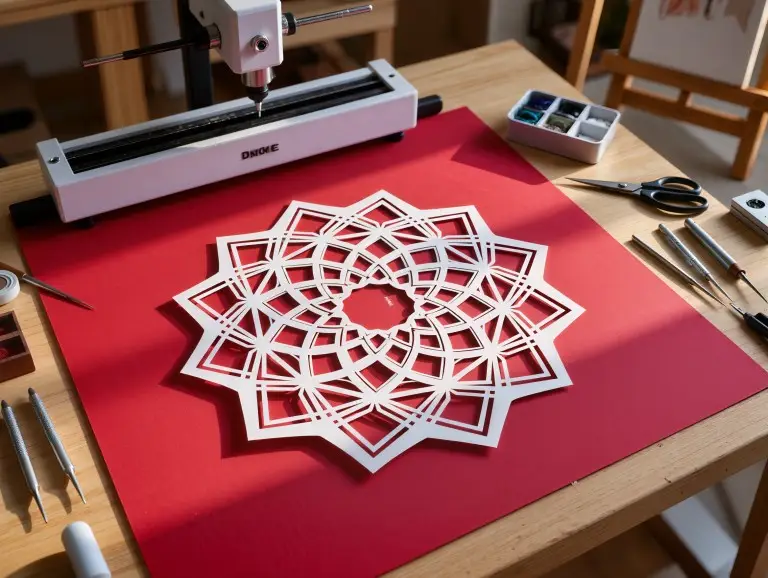
Laser Cutting Service

Yonglihao Machinery specializes in custom laser cutting for both prototypes and repeat production. Most RFQs are answered within 24 hours, and we include a DFM audit for designs with tight features or critical fits. This ensures consistent edges, controlled variation, and fewer revisions.

Custom Online Laser Cutting Service-Yonglihao Machinery

Fast quoting & DFM support

Get pricing and manufacturability feedback within 24 hours to reduce rework and scrap

Repeatable results

Process control ensures consistent edges and predictable part-to-part quality

Secure & engineering

We offer secure file handling, NDA support, and clear communication from review to delivery.

What Is Laser Cutting?

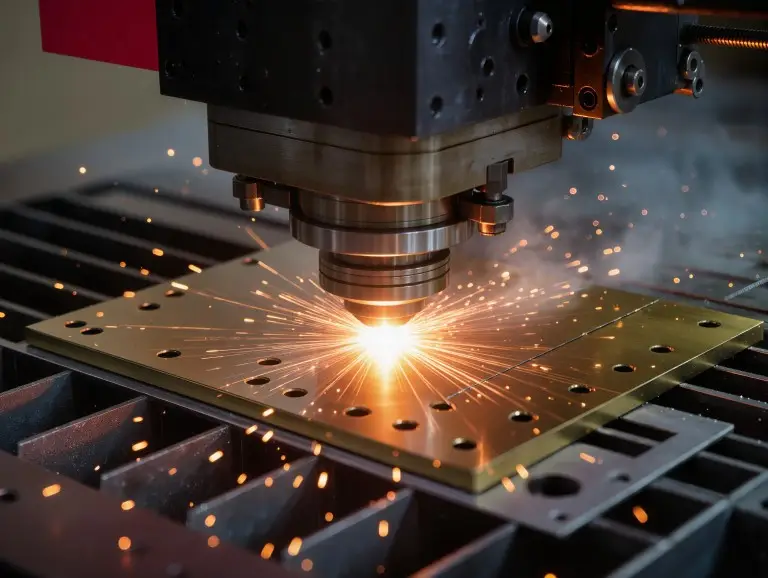
Laser cutting is a CNC process that uses a high-powered, focused laser beam to cut or engrave sheet materials with precision. The laser—commonly fiber, CO₂, or Nd-based—is concentrated through optics into a small spot, generating the energy needed for cutting.

The beam heats the material until it melts, burns, or vaporizes, while assist gas (often nitrogen or oxygen) clears the kerf for a clean edge. This process is widely used in industries like automotive, aerospace, and consumer products for brackets, panels, enclosures, and fast-turn prototypes.

Custom Online Laser Cutting Service-Yonglihao Machinery

Types of Laser Cutting Services

Different laser sources are optimized for specific materials and outcomes. Here’s how to choose the right option based on your part’s requirements:

Fiber Laser Cutting

Fiber Laser Cutting

Ideal for fast, stable metal cutting with strong repeatability. Commonly used for aluminum and stainless steel parts where consistent edge quality and throughput are critical. For very thick sections or ultra-fine details, secondary finishing may be required.

CO2 Laser Cutting

Best for non-metal sheet materials and engraving tasks. Suitable for plastics, acrylic, and wood-based sheets when clean contours and flexible processing are needed. Material grade and safety must be confirmed to avoid issues like melting or hazardous fumes.
Nd Laser Cutting

Nd / Nd:YAG Laser Cutting

Uses high-energy pulses for demanding applications, such as thicker or challenging materials. While practical for specific needs, it’s less efficient for general sheet cutting. Selection depends on thickness, edge quality, and throughput requirements.

Laser Cutting Capabilities

Understanding key factors like sheet size, part geometry, and material thickness helps ensure feasibility. We confirm these details during quoting to avoid redesign cycles.

ItemBaseline CapabilityNotes
Max Sheet SizeConfirmed at quote (per machine)Use your target sheet size if available.
Max Part SizeUp to sheet sizeOversized parts can be reviewed for split/join options.
Min Recommended Part SizeConfirmed at quote (per thickness)Depends on thickness and detail density.
Min Feature SizeConfirmed at quote (≥ 2× thickness)Small holes/slots may risk heat distortion.
Aluminum Max ThicknessUp to 25 mmDepends on edge quality and geometry.
Stainless Steel Max ThicknessUp to 15 mmDepends on edge quality and geometry.
Brass CuttingSupported (sheet)Thickness and fine details are checked in DFM.
Typical TolerancesPer drawing / DFMCritical fits must be noted on the drawing.
Edge ConditionBy material & thicknessThick plates may show striations; deburring may be recommended.

Materials We Cut

Material choice impacts edge quality, cost, and lead time. We confirm grade, thickness, and edge expectations during quoting to match your requirements.

Metal laser cutting

Metals

Aluminum (up to 25 mm), stainless steel (up to 15 mm), and brass sheets. Brass is often used for electrical, decorative, and hardware parts requiring clean profiles.
Laser cutting of chocolate slabs

Plastics

Selected plastics can be cut depending on grade and thickness. Heat sensitivity and edge appearance (e.g., melting or charring) are reviewed for feasibility.
Laser cutting of wood

Wood/Wood-Based Sheets

Suitable for panels and decorative components. Edge color and smoke/charring risks vary by thickness and finish, so expectations are confirmed before production.

Advantages of Laser Cutting

Laser cutting is ideal for 2D profiles and fast iteration. When geometry and material are matched to the process, customers benefit from:

  • High accuracy: Clean contours for brackets, panels, and cut-to-shape parts.
  • Fast turnaround: Efficient cutting supports rapid prototyping and short cycles.
  • Repeatable results: Stable output for repeat builds and batch production.
  • Lower tooling costs: No hard tooling required for most jobs, reducing upfront expenses.

Limitations of Laser Cutting

Laser cutting isn’t suitable for every application. We identify limitations during DFM to save time and budget. If laser cutting isn’t the best fit, we recommend alternatives.

  • Material restrictions: Some materials emit hazardous gases or are flammable when heated.
  • Thick-section edge quality: Striations or abrasive edges may require finishing.
  • Fine geometry limits: Small holes, narrow bridges, or delicate features in thick plates may fail.
  • Process mismatch: Alternatives like waterjet, plasma, or CNC machining may be better for certain designs.

Applications Across Industries

Laser cutting is widely used for accurate profiles with short lead times. Common applications include:

FAQ

Metals, selected plastics, and wood-based sheets. Fit depends on grade, thickness, and edge requirements.

Accuracy depends on geometry, thickness, and tolerance targets. Critical fits are confirmed during DFM.

Lead time depends on material, complexity, and quantity. We can quote within 24 hours and confirm schedule after review.

Yes, laser cutting scales well when the design is stable. DFM helps improve repeatability and reduce variation over volume.

Yes, part size is limited by sheet size and machine envelope. For oversized parts, we can review split designs and joining options.

Scroll to Top