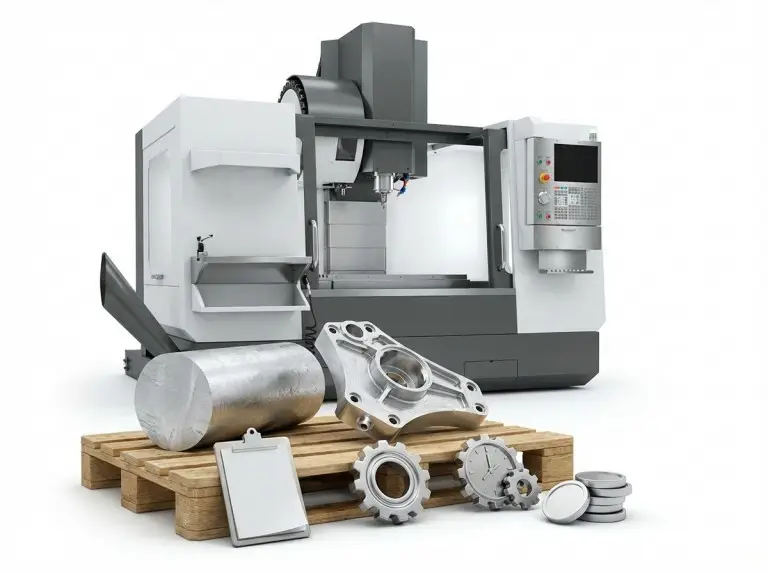
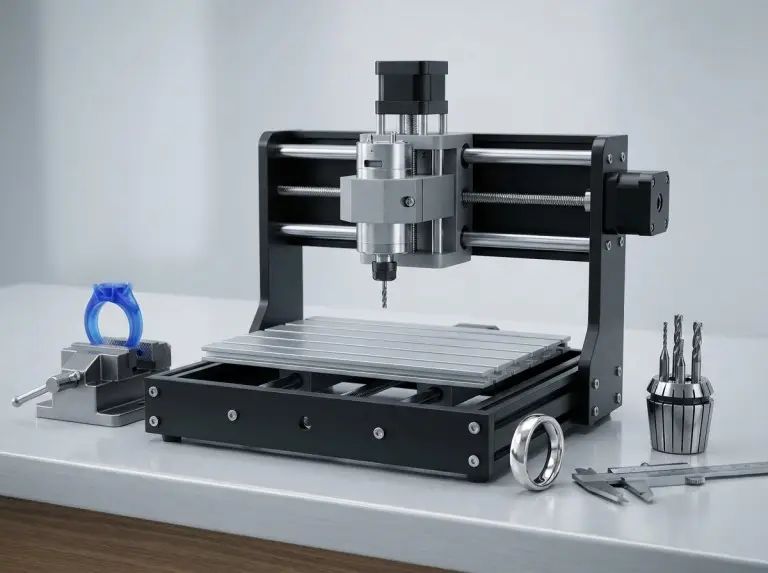
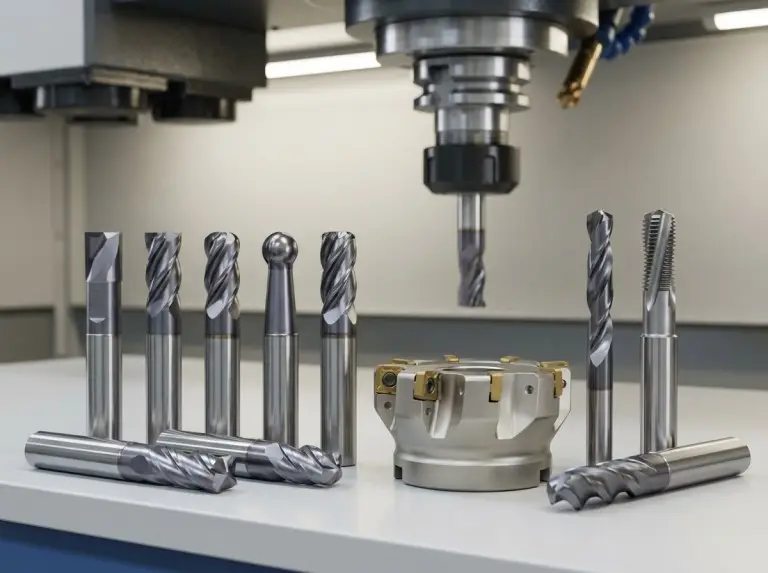
In modern manufacturing, how you choose and treat materials is vital for product quality. CNC machining is popular across many industries because it is accurate and efficient. Whether you’re looking for CNC plastic machining services or focusing on CNC machining metal, getting the best results requires a deep understanding of materials and how they fit into your design.
The use of engineering plastics and composites is growing. Their performance in CNC machining is just as important as design itself. Choosing the right materials, smart designs, and effective surface treatments can greatly improve part quality. Many businesses also turn to rapid prototyping companies for development support, especially when focusing on cnc machining metal for strong, durable parts. This guide from Yonglihao Machinery covers these key points essential for a successful CNC project.
Properties and Applications of Different Metallic Materials
CNC machining commonly uses metal materials like steel, stainless steel, aluminum, copper, and their alloys. These metals serve different roles based on their properties. Choosing the right one for a specific job improves the part’s performance and life.
Steel and Stainless Steel: Steel and stainless steel are famous for high strength. Steel is very hard and works well for structural and mechanical parts that face high stress. Stainless steel adds excellent corrosion resistance. This makes it ideal for harsh environments. Industries use it widely in building structures, machine parts, tool making, and industrial equipment.
Aluminum: People favor aluminum and its alloys because they are light. They are also easy to process and conduct heat well. Aluminum is less dense than steel, but heat treatment can make it much stronger. Its malleability allows machinists to create complex shapes easily. Currently, aerospace and automotive makers use it often. You will find it in aircraft structures, car bodies, engine parts, radiators, and heat exchangers.
Copper and its Alloys: Copper is known for excellent electrical conductivity and corrosion resistance. It ranks second only to silver in conductivity. This makes it the top material in the electrical and electronics industry. Copper alloys like brass and bronze also offer good strength and wear resistance. They are common in electrical components, heat exchangers, piping, and building decoration. You will also find them in valves, pipe fittings, musical instruments, bearings, gears, and ship propellers.

Engineering Plastics and Composites in CNC Machining Applications and Design Considerations
Common Engineering Plastics
ABS: This engineering plastic resists impact and heat. It is strong, rigid, and easy to machine. Manufacturers often use it for car parts, appliance housings, and toys. ABS offers a good surface finish, making it suitable for complex shapes.
Polycarbonate: Polycarbonate (PC) is strong, transparent, and resists impact well. It is common in electronic shells, optical lenses, and safety gear. While easy to process, it can deform at high temperatures. You must control the heat carefully during machining.
Nylon: Nylon (polyamide) resists abrasion and chemicals. It works well for gears, bearings, and industrial machinery parts. Nylon machines well, but it absorbs moisture. You need to dry it before machining to prevent size changes.

Composite Materials
Carbon Fiber: Carbon Fiber Reinforced Plastic (CFRP) is incredibly strong and rigid but very light. Aerospace, motorsports, and sports equipment makers use it often. It is hard to machine and usually needs special tools and high-precision CNC equipment.
Glass Fiber Reinforced Plastic: Glass Fiber Reinforced Plastic (GFRP) is strong, rigid, and resists corrosion. Builders use it in ships and wind turbine blades. It is easier to machine than carbon fiber, but the process creates fiber dust. You must use effective dust removal measures.

Design Considerations
You must consider several factors when selecting plastics and composites for CNC machining. This ensures efficient, high-quality results.
- Machinability: How easily a material machines affects efficiency and quality. Plastics like ABS and polycarbonate are easy to cut. They work well for complex shapes. In contrast, carbon fiber and glass fiber plastics need special tools to ensure accuracy and surface quality.
- Strength: Mechanical strength determines where you can use a material. Carbon fiber plastics are very strong and light, perfect for aerospace. Nylon resists wear, making it great for moving parts like gears.
- Chemical Resistance: Some jobs require materials that withstand chemicals. Nylon and polycarbonate resist chemicals well. ABS may degrade in some chemicals, so choose carefully.
Impact of mechanical and thermal properties of materials on design
When selecting a material, evaluate its mechanical and thermal properties together. This ensures the part works well and lasts a long time.
Mechanical Properties
- Tensile Strength: This is how well a material resists being pulled apart. Steel and carbon fiber composites have high tensile strength. They are perfect for structural components in aerospace and construction that must withstand high stress.
- Hardness: This refers to resisting scratches or deformation. Hard materials like titanium alloys and stainless steel work well for tools and mechanical parts. They perform best in high-friction environments, such as knives, bearings, and gears.
- Toughness: This is the ability to absorb energy without breaking upon impact. Tough materials like polycarbonate protect internal structures well. They are vital for safety equipment.
Thermal Properties
- Coefficient of Thermal Expansion: This measures how much a material grows or shrinks with temperature changes. Materials like carbon fiber composites and ceramics change very little. They stay stable in high heat, making them suitable for precision instruments and electronics.
- Thermal Conductivity: This is how well a material moves heat. Aluminum and copper transfer heat very efficiently. Manufacturers use them for heat sinks and electronic housings to stop equipment from overheating.
Impact Analysis
Selecting the right material requires balancing these properties against your specific needs:
- Application Scenarios: Aerospace needs strong, light materials like carbon fiber. Electronics need heat conductors like aluminum.
- Environmental Conditions: High temperatures need heat-resistant materials. Corrosive environments need stainless steel or titanium.
- Machinability: Consider the cost of making the part. Aluminum and ABS are cheaper to machine than hard steel or titanium.

Design and Manufacturing Tips for Composite Parts
To improve composite parts for high performance, consider these design and manufacturing techniques.
Design Techniques
Laminate Design: The laminate structure is the core of composite design. You stack multiple layers to increase strength. You can change the thickness or direction of the fibers based on stress areas. This boosts durability where it counts.
Fiber Orientation Optimization: How you align fibers matters. Align fibers with the direction of the greatest stress to maximize strength. For parts under tension, fibers should line up with the load. For parts facing shear stress, stagger the fibers.
Manufacturing Processes
Vacuum Forming: This common method places prepreg material in a mold. A vacuum removes air and extra resin. It creates large, complex parts with high precision.
Hot Compression Molding: This efficient method compacts prepregs in molds at high heat and pressure. It bonds fibers and resins fully. This creates parts with excellent mechanical properties, ideal for aerospace and automotive uses.

Design and manufacture of high-performance plastic parts
By choosing wise materials and methods, you can make plastic parts that meet high-performance needs. Yonglihao Machinery suggests the following:
Material Selection
PEEK: PEEK is a high-performance plastic. It is strong, stiff, and heat-resistant up to 260°C. It resists wear and chemicals, making it a good metal replacement in aerospace, automotive, and medical devices.
PPS: PPS has high heat and chemical resistance. It keeps its shape and strength even at high temperatures. It is popular for car and electrical parts.
PTFE: Known as Teflon, PTFE has excellent chemical resistance and low friction. It is non-stick and resists wear. It is common in seals, food processing, and medical devices. However, it is not very strong, so manufacturers often mix it with other materials.
Manufacturing Methods
CNC Machining: This high-precision method creates complex shapes in plastics like PEEK, PPS, and PTFE. It offers high accuracy and tight tolerances. It is great for small batches and custom designs.
Injection Molding: This is efficient for mass production. It requires careful temperature and pressure control for high-performance plastics. While fast, the tooling costs are high, making it better for long production runs.

How to Choose the Right Surface Treatment?
Choosing the right treatment protects parts from corrosion and wear.
Performance Improvement
- Electroplating: Coatings like nickel or zinc improve corrosion and wear resistance. Galvanized steel is great for outdoor use.
- Spraying: Epoxy or polyurethane coatings protect against chemicals and friction. Epoxy is excellent for chemical equipment.
- Anodizing: This is best for aluminum. It boosts hardness and scratch resistance.
Application Examples
- Automotive: A German automaker uses galvanized steel for SUV chassis structures. This prevents rust and extends vehicle life.
- Chemical Equipment: A French manufacturer uses epoxy coating on tanks. It resists acid and solvents, reducing maintenance.
- Electronics: A laptop maker anodizes aluminum housings. This makes them beautiful and resistant to scratches.

Summary
Yonglihao Machinery specializes in CNC machining services. We understand how material choice and surface treatments affect quality.
- Steel: Strong but heavy. Good for structures.
- Aluminum: Light and corrosion-resistant. Good for aerospace and electronics.
- Copper: Conducts electricity well. Good for electrical parts.
- Plastics: Light and chemical-resistant. Good for appliances.
Surface treatments are equally key. Electroplating stops rust. Spraying adds protection and color. Anodizing hardens aluminum. If you have questions, Yonglihao Machinery can provide professional advice to meet your needs.
FAQ
What are the pros and cons of common materials?
Steel is strong but heavy and can rust. Aluminum is light and easy to machine but softer than steel. Copper conducts heat and electricity well but costs more. Plastics are light and resist chemicals but handle heat poorly.
How do I choose the right surface treatment?
Consider the material, environment, looks, and cost. Anodize aluminum. Plate or spray steel. Use zinc or nickel plating for corrosion. Use polyurethane spray for friction. For looks, use chrome or high-gloss spray. For the environment, use powder or water-based coatings.
What are eco-friendly design methods for surface treatments?
Use low-VOC waterborne and powder coatings. Use closed-loop systems to recycle metal ions. Treat wastewater to neutralize acids and heavy metals.