

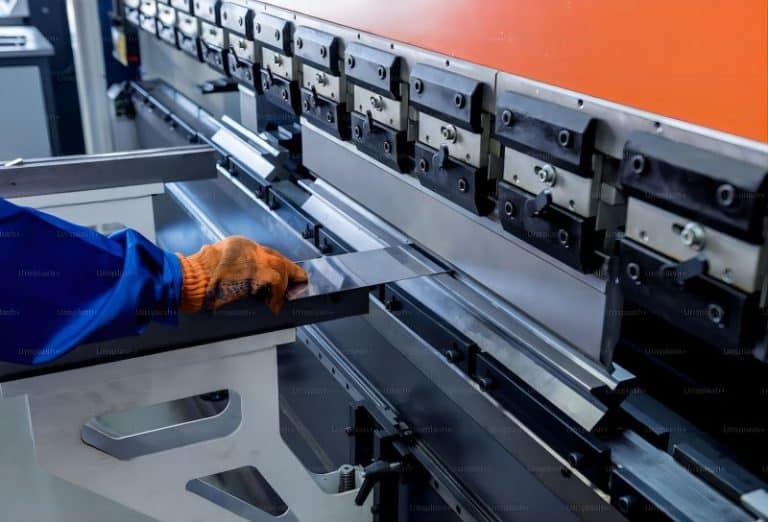
The four-slide stamping machine is an advanced metal-forming technology designed to efficiently produce complex parts. It offers key benefits like cost savings, faster production, and consistent precision. As a leading metal stamping company, Yonglihao Machinery provides a detailed analysis of this technology. We’ll explain its working principles, showcase its performance in real-world applications, and compare it to traditional methods. Additionally, we’ll share practical tips to help you maximize the potential of four-slide stamping, boosting your manufacturing efficiency and competitiveness.
What is Four-Slide Stamping?
Four-slide stamping is an advanced process for creating precision metal parts. Its core lies in a complex tooling and mechanical system. Unlike traditional methods, this process forms materials from multiple directions at the same time, significantly improving efficiency and flexibility. Industry reports show that four-slide machines can handle a wide range of parts, from simple stampings to intricate fasteners, making it a cutting-edge alternative to older techniques.
The four-slide stamping machine stands out for its unique design. It uses four slides arranged in a cross pattern, each equipped with a forming tool. These tools approach the material from different directions—north, south, east, and west. This setup allows precise processing at the center, making it ideal for complex geometries. In contrast, traditional presses rely on a single vertical motion, which limits their capabilities.
The process starts with flat metal strips. These strips first undergo stamping or blanking, then move into the machine’s forming section. A cam-driven motion system controls the timing and sequence of tool strikes with precision. This enables the machine to create complex shapes in a single operation. The integrated workflow boosts efficiency and reduces the need for additional processing. For example, the material is fed into the machine via a straightener, and the four slides work together to form parts around the central tool. This synchronized action ensures high precision and consistency.

Benefits of Using a Four-Slide Stamping Machine
Using a four-slide stamping machine brings numerous advantages to manufacturing, not only improving production efficiency but also reducing costs and enhancing product quality. Below are the main benefits of this technology and their specific manifestations:
Four-slide stamping machines offer numerous advantages, improving efficiency, cutting costs, and enhancing product quality. Here are the main benefits:
- Cost-Effectiveness: Tooling costs for four-slide machines range from $3,000 to $10,000. This is far lower than the costs for progressive dies in traditional presses, which can be up to ten times higher. The lower tooling costs also make modifications and maintenance more affordable.
- Production Speed: Four-slide machines are much faster than traditional equipment. They can produce up to 375 parts per minute and, in some setups, even reach 15,000 parts per hour. This speed shortens delivery times significantly.
- High Precision: The slide mechanism ensures consistent precision during production. It maintains tight tolerances, even in long runs. This allows the machine to handle complex geometries and multiple bends in a single operation, reducing the need for secondary processing.
- Strong Flexibility: Four-slide machines are suitable for both small-batch and large-scale production. They excel at minimizing scrap, further lowering costs. This flexibility lets manufacturers adjust production to match order sizes without worrying about cost overruns.
- Design Flexibility: The multi-axis capability allows the machine to create complex shapes and multiple bends in one cycle. Traditional presses often require extra steps and higher costs for similar tasks. Four-slide machines also integrate multiple operations, saving time and labor. Designers can make quick adjustments without incurring high modification costs. Whether working with sheet metal or wire, four-slide technology handles it with ease, opening up possibilities for various applications.
Further Reading: Benefits of Metal Stamping
Applications of Four-Slide Stamping
Four-slide stamping is revolutionizing the production of small metal parts. It provides efficient, cost-effective solutions for many industries. This technology is especially useful for creating parts with complex shapes, such as fasteners, terminals, contacts, and connectors. These components are essential in sectors like electronics and automotive. Four-slide machines handle multiple bends and precision tasks with ease, reducing costs and boosting efficiency. Compared to traditional methods, they are better suited for complex designs, solving issues of high costs and low efficiency.
The following industries benefit significantly from four-slide technology:
- Electronics: Four-slide stamping is widely used to produce complex connectors and terminals for electronic devices. These parts require high precision and consistency, which four-slide machines deliver while reducing scrap and costs. For instance, micro-connectors in smartphones and communication devices are often made using this technology.
- Automotive: Automotive manufacturers use four-slide machines to create fasteners, brackets, and other intricate parts. These components often need multiple bends and precise forming, which four-slide stamping completes in one operation, improving efficiency.
- Medical Devices: The medical industry relies on four-slide technology for precision components in surgical instruments and implants. These parts demand high quality and specialized materials, which four-slide machines handle with precision, meeting strict standards.
- Telecommunications: In telecommunications, four-slide stamping produces terminals and contacts for signal transmission equipment. These parts require precise shapes and high conductivity, which this technology efficiently provides.
- Consumer Goods: The consumer goods industry benefits from four-slide machines for small metal components. For example, metal clips and brackets in household appliances are efficiently manufactured using this method.

Comparison of Four-Slide Stamping and Traditional Power Press
In the field of metal stamping, four-slide stamping technology and traditional power press methods each have their characteristics. Below are the core differences between the two methods, helping manufacturers choose the appropriate technology based on their needs:
| Aspect | Four-Slide Stamping | Traditional Power Press |
|---|---|---|
| Tooling Cost | $3,000-$10,000, lower initial investment | Up to 10 times higher, complex and expensive molds |
| Production Speed | Up to 375 parts per minute, suitable for high-volume production | Slower, reliant on vertical motion |
| Scrap Reduction | 31% less, using pre-cut materials, high material utilization | More scrap, requires additional material clearance |
| Flexibility | Multi-directional tool operations, easy to adjust and modify | Limited to vertical operations, high modification costs |
| Applicable Parts | Complex bends, multi-operation parts | Simple stamping and blanking parts |
Conclusion
Enhance your metal processing capabilities with Yonglihao Machinery! Four-slide stamping technology offers unmatched efficiency, precision, and cost savings, making it the perfect choice for optimizing metal manufacturing. At Yonglihao Machinery, we specialize in high-efficiency metal processing. Our premium four-slide stamping services help manufacturers improve designs, boost manufacturability, and meet strict quality standards. Partnering with us will enable you to stay competitive in today’s fast-evolving industrial landscape. Feel free to contact us for professional consultation or a customized quote,and discover how our four-slide technology and rapid prototyping capabilities can elevate your production process to new heights!
FAQ
How does four-slide stamping improve production efficiency?
It performs multiple operations in one process, reducing the need for extra machines and material handling. This integration minimizes downtime and speeds up production.
What materials can four-slide stamping process?
It works with various materials, including wire, sheet metal, stainless steel, copper, and aluminum. This versatility suits many industries.
How does it compare to traditional power presses in cost?
Four-slide stamping is more cost-effective due to lower tooling expenses and the ability to produce complex parts in one operation. Modifications are also cheaper.
What are its advantages in precision and consistency?
Four-slide machines ensure high precision and consistency by performing multiple operations in one process. This reduces defects and improves quality.
Can it handle high-volume production?
Yes, it’s perfect for high-volume production. It can produce up to 15,000 parts per hour while maintaining consistent quality.
How do cams and die designs impact the process?
Cams and die designs control the machine’s motion, enabling precise production of complex parts. Optimized designs enhance efficiency.


