Passivation Services

Yonglihao Machinery offers passivation services to enhance corrosion resistance while preserving the metal’s original appearance. This clean, colorless treatment is commonly used for stainless steel parts in hygienic, high-purity, or corrosion-sensitive environments.

Passivation-Surface finishes
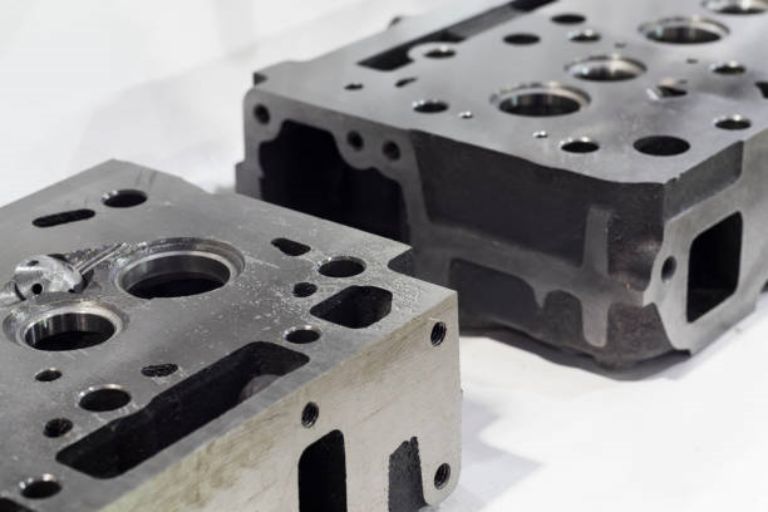
Passivation treatment of automotive braking system components

What Is Passivation?

Passivation is a chemical surface treatment that removes free iron and surface contamination. This process helps stainless steel form a stable, protective oxide layer, improving resistance to rust and staining while maintaining its natural look.

It is primarily used on stainless steel and other corrosion-resistant alloys (subject to review), especially grades with higher chromium content. The final performance depends on the alloy grade, surface condition, and cleanliness required for the application.

Surface Preparation & Final Appearance

Passivation is a colorless treatment that does not add a coating. It will not hide scratches, dents, heat tint, or machining marks. The surface appearance before passivation remains largely unchanged after treatment.

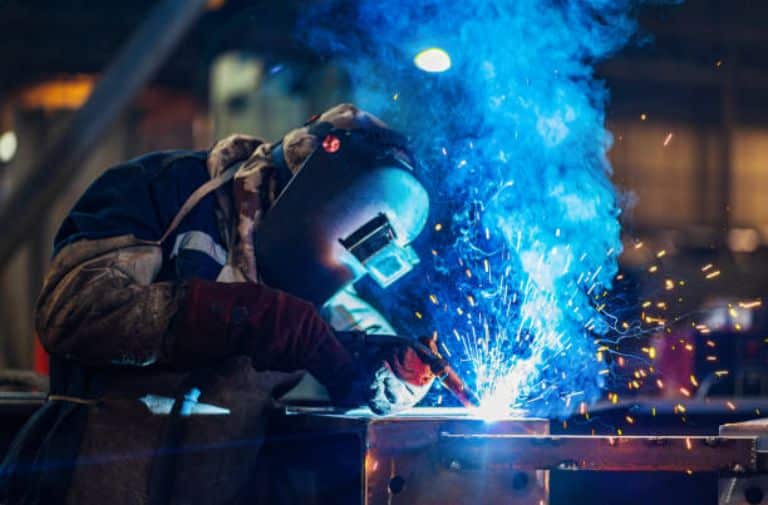
For optimal results, parts should be properly cleaned. Welded parts may need additional cleaning to remove heat tint or surface scale, especially when appearance or corrosion performance is critical.

Surface PreparationApplicable MaterialsColorVisual AppearanceNotes
Cleaned / degreased (pre-clean as required)Stainless steel, corrosion-resistant alloys (by review)ColorlessOriginal metal appearanceDoes not hide defects; improves corrosion performance

FAQ

What materials does passivation work on?

Primarily stainless steel. Other corrosion-resistant alloys are reviewed by grade.

Does passivation change the part’s color or finish?

No. It is colorless and preserves the original appearance.

Does passivation add thickness?

No. It is a chemical treatment, not a coating or plating.

Will machining marks or scratches be removed?

No. Passivation does not polish or hide surface defects.

Is passivation necessary after machining stainless steel?

Yes, especially when corrosion resistance, cleanliness, or stain resistance is important.

Can you passivate welded stainless parts?

Yes, but heat tint and scale may require additional cleaning first.

What do you need for a fast quote?

We need the stainless grade, quantity, part size, cleanliness or corrosion requirements, weld condition, and lead time.

Scroll to Top