Hand Polishing Services

Yonglihao Machinery offers hand polishing services to create smoother, cleaner surfaces with enhanced appearance. This method is ideal for low-volume parts, complex shapes, and cosmetic-critical areas where machine polishing cannot reach or provide precise control.

Hand Polishing-Surface finishes
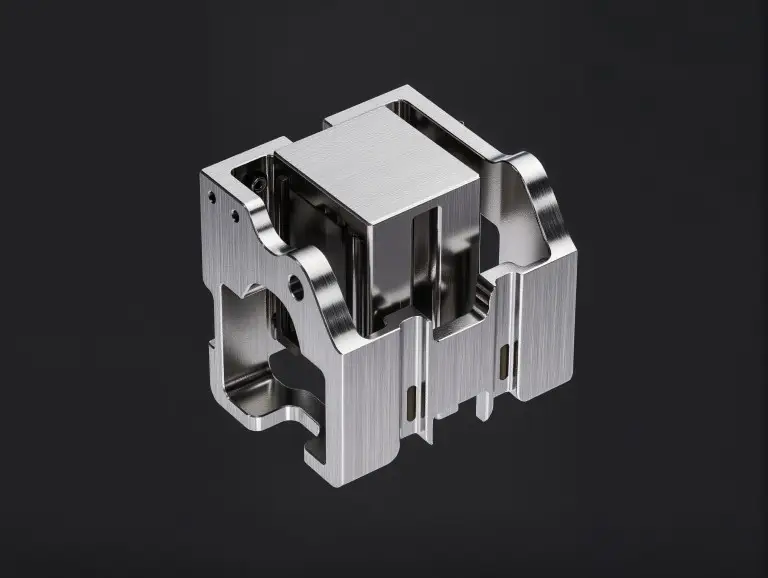
Stainless steel CNC parts hand polished

What Is Hand Polishing?

Hand polishing is a manual surface finishing process that uses abrasive papers, stones, compounds, and polishing cloths to smooth metal surfaces and enhance their appearance. It reduces light scratches and machining lines, producing finishes ranging from a light satin sheen to a high-gloss polish, depending on the target.

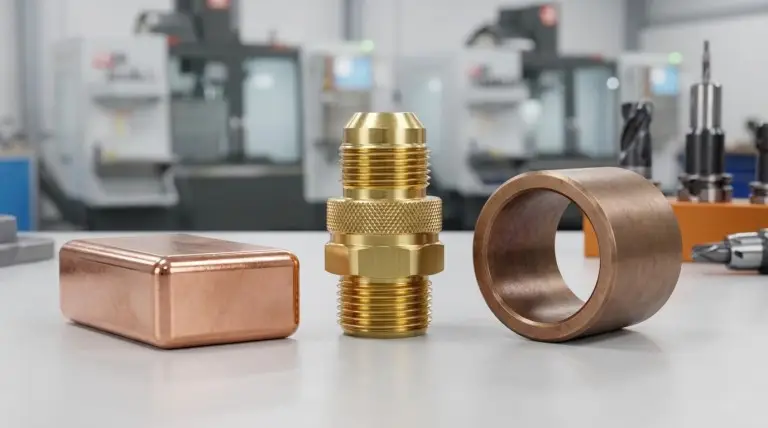
This process is commonly applied to stainless steel, aluminum, and copper alloys (other materials are reviewed case by case). The final result depends on the material’s hardness, the starting surface condition, accessibility, and the desired finish level.

Surface Preparation & Final Appearance

Hand polishing enhances the cosmetic quality of surfaces but does not fix deep dents, heavy pitting, or major surface damage without significant material removal. The starting condition of the surface plays a key role in the final outcome.

For the best results, specify:

  • Polished faces: Indicate which surfaces need polishing.
  • Finish target: Choose between satin, semi-gloss, or high-gloss finishes.
  • No-touch areas: Mark threads, tight fits, seal faces, or sharp edges that must remain untouched.
Starting SurfaceApplicable MaterialsTexture RangeVisual AppearanceNotes
As-machined / as-formed / cleanedStainless steel, aluminum, copper alloys (others reviewed)Satin → gloss (target-defined)Reduced tool marks, smoother reflectionDeep defects may remain; higher gloss requires more labor

FAQ

What materials can be hand polished?

Commonly stainless steel, aluminum, and copper alloys. Provide the grade for confirmation.

Can you achieve a mirror finish?

Yes, in many cases. The result depends on the material and starting condition. Define the target and polished faces.

Will hand polishing remove scratches?

It reduces light scratches and machining lines. Deep damage may still be visible unless more material is removed.

Does polishing change dimensions?

It can, especially on tight fits or small features. Mark critical areas and no-touch zones.

Can you polish only one face of a part?

Yes. Targeted polishing is common for cosmetic panels and visible surfaces.

Is hand polishing good for small batches?

Yes. It’s ideal for prototypes, samples, and low-volume cosmetic parts.

What do you need for a fast quote?

We need the material, quantity, part size, faces to polish, finish target, critical no-touch areas, and lead time.

Scroll to Top