Nickel Plating Services

Yonglihao Machinery offers nickel plating services to enhance corrosion resistance, surface hardness, and appearance for both functional and cosmetic parts. This process is ideal for components requiring a durable metallic finish, improved wear performance, and stable electrical contact.

Nickel Plating-Surface finishes
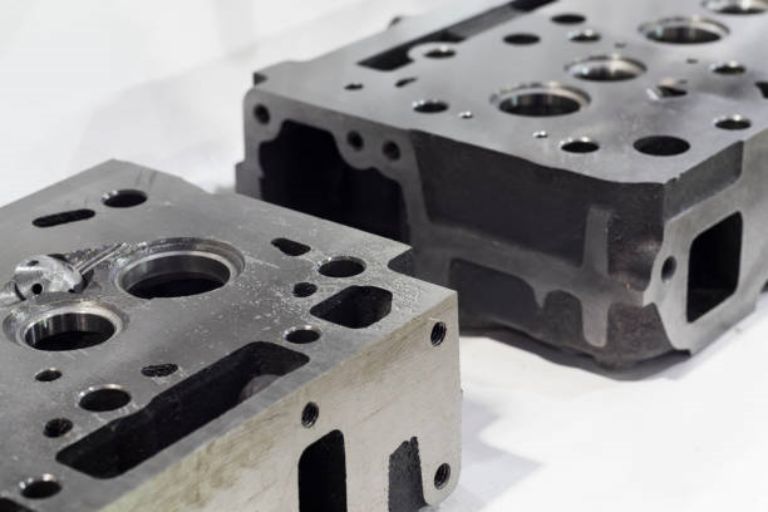
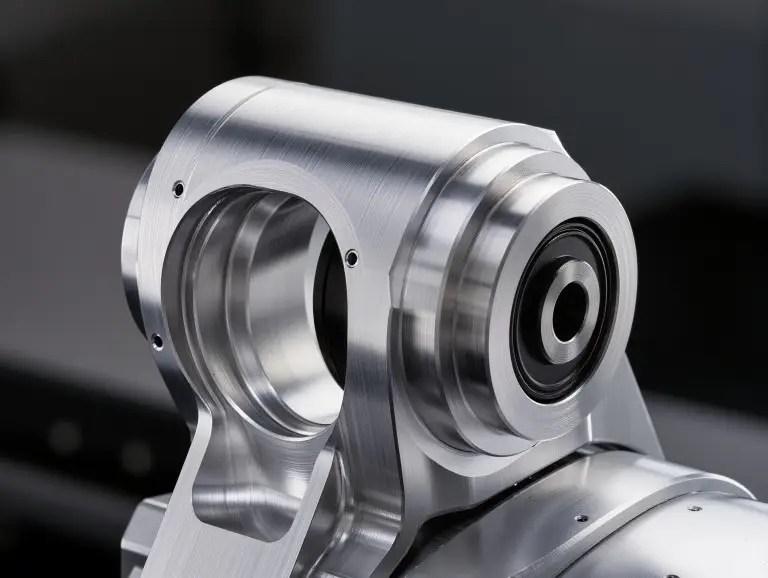
Nickel plating treatment for 5-axis machined aluminum parts

What Is Nickel Plating?

Nickel plating is an electrochemical finishing process that deposits a controlled layer of nickel onto a metal surface. This layer improves corrosion protection, increases surface hardness, and provides a consistent metallic finish.

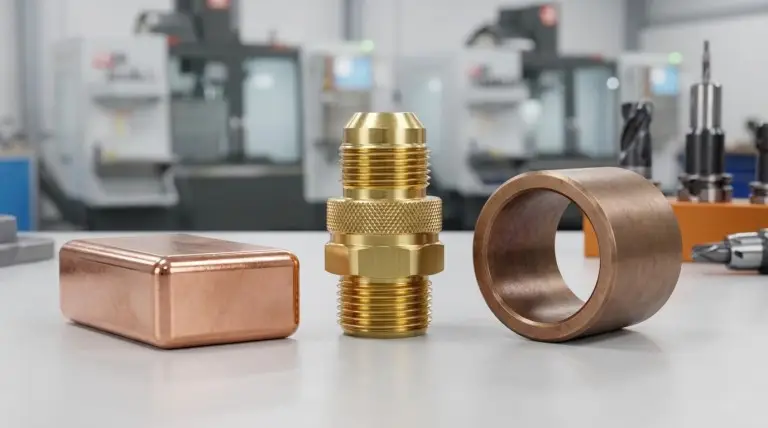
It is commonly applied to steel and copper alloys. Aluminum can also be plated with proper pretreatment (subject to review). The final thickness, brightness, and performance depend on the base material, surface preparation, geometry, and required specifications.

Surface Preparation & Final Appearance

Nickel plating follows the base surface condition. It does not hide deep scratches, dents, pits, or heavy tool marks unless additional smoothing is done before plating.

For cosmetic-critical parts, specify:

  • Expected appearance: Bright or satin finish, with allowable variations.
  • Protected areas: Mark faces that must be free of rack marks.
  • Masking needs: Threads, seal faces, and tight-fit interfaces may require masking or controlled thickness.
Surface PreparationApplicable MaterialsTypical ThicknessVisual AppearanceNotes
Cleaned / smoothed as requiredSteel, copper alloys, aluminum (with pretreatment)Defined per RFQMetallic nickel finish (brightness target-defined)Deep defects remain visible; masking recommended for tight fits

FAQ

What materials can be nickel plated?

Most commonly steel and copper alloys. Aluminum is possible with proper pretreatment (confirm by grade).

Will nickel plating change dimensions?

Yes. It adds thickness. Tight fits and threads should be specified and may need masking.

Does nickel plating improve hardness and wear resistance?

Yes. It provides a harder surface than the base metal in many applications.

Is nickel plating corrosion resistant?

Yes. Protection depends on thickness, base material, and service environment.

Will scratches still be visible after plating?

Yes. Plating follows the base surface. Cosmetic parts may need polishing before plating.

Can you mask threads, seal faces, and contact pads?

Yes. Mark these areas clearly on your drawing or RFQ notes.

What do you need for a fast quote?

We need the material grade, quantity, part size, thickness requirement, cosmetic target, critical fits/masking areas, and lead time.

Scroll to Top