
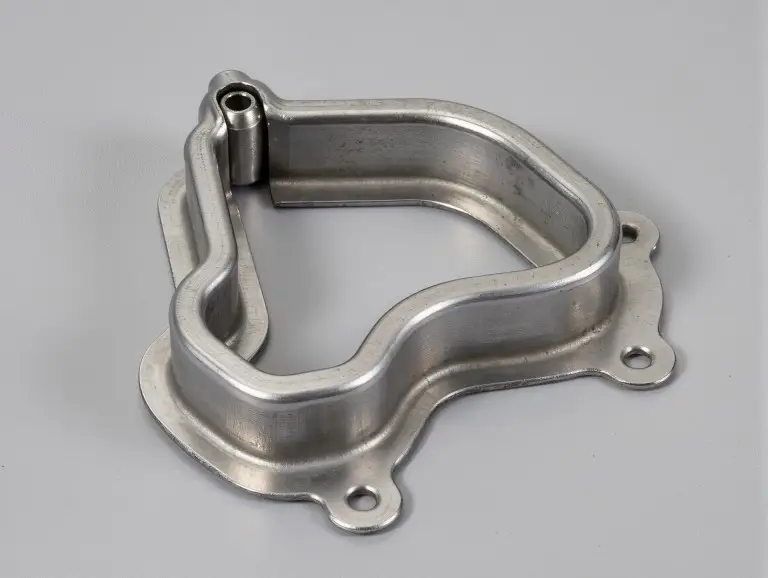
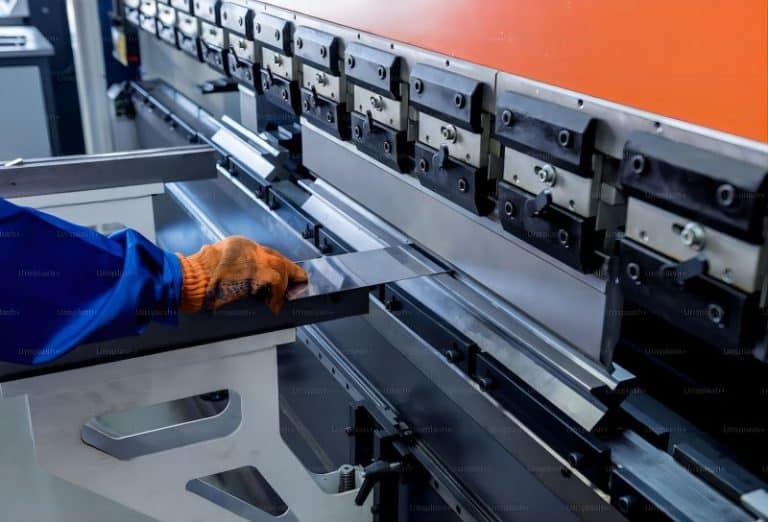
Precision metal stamping is a common industry process. This manufacturing process takes flat metal sheets and turns them into a large number of different parts and components. It uses special dies and tools, including cutting, bending, piercing, and shaping. This method is commonly used in industrial manufacturing because it is fast, precise, and accurate. A reliable stamping company plays a crucial role in ensuring the success of this process by delivering high-quality results.
Next, let’s take a look at 10 Common Materials Used in Precision Metal Stamping Processes.
Aluminum Metal
Aluminum is lightweight, yet very strong. Because it is so easy to form, it can be made into any shape, from simple to complex, from flat to deeply drawn. Aluminum is thermally and electrically conductive, will not rust, and can change from ductile to rigid at certain temperatures. Aluminum is used in a wide variety of applications, from automotive parts to consumer electronics.
Copper Metal
Copper is a very useful metal known for its softness and ease of molding. It can be used alone or mixed with other elements to make metals such as bronze, brass, and nickel silver. Copper and its alloys can be used to make stampings that are very different from each other.
What people like about them is that they form a natural protective film on their surface. This protective film gives copper alloys excellent corrosion resistance. After stamping, this film develops again without any additional steps.
Because of their beautiful gold, amber, and yellow colors. Copper metals are often used for architectural decoration and decorative components. Because of their flexibility, these materials can be made into intricate components. Copper is also antimicrobial, making it ideal for cleanliness-conscious locations such as food processing and the medical field.
Copper is also a well-known conductor of electricity and heat. In addition to its use in medicine and food processing, copper is also used in heat exchangers and electrical connectors.
Nickel Metal
The unique qualities of nickel and its alloys make it very valuable. These alloys do not deform even at very high temperatures. Nickel alloys are therefore well suited for applications that require work at severe temperatures. They are known for their ease of welding, which speeds up the manufacturing process. Their resistance to air corrosion allows them to be used for long periods of time. Their strength and toughness allow them to cope with harsh conditions.
Because of these properties, nickel alloys are often used in the production of metal stampings. This is especially true in areas where reliability and robustness are important. Nickel alloys are used for electrical contacts and spacecraft components, among other things.
Iron and Steel
Iron and carbon are mixed together and refined to make steel. It is a raw material used extensively in metal stamping. Steel is dense, strong, and flexible, so manufacturers usually choose them. Mild steel has particularly good forming properties, making it ideal for metal stamping, machining, forging, welding, and many other manufacturing processes. In addition, galvanized steel (mild steel with a galvanized surface) provides better rust resistance.
Stainless Steel
Corrosion resistance is one of the biggest advantages of stainless steel, though it can vary by type and climate. Stainless steel maintains its good appearance even under harsh conditions. In addition, stainless steel has a good surface finish and can be made magnetic or non-magnetic.
Stainless steel is known for its ease of molding. There are different types such as austenitic stainless steel and ferritic stainless steel. Austenitic stainless steel is very easy to mold and is often used where complex shapes are required. Ferritic stainless steels can also be stamped and formed but may have slightly different properties.
Copper, aluminum, and mild steel are not nearly as strong as these two types of stainless steel. Therefore, they are good choices where durability and corrosion resistance are important. Stainless steel is commonly used in medical tools, kitchen utensils, and construction materials. It is also used in fuel filters, oxygen sensors, automotive exhaust systems, and other industrial parts that are usually made by stamping.
Titanium Metal
Titanium metal is strong, corrosion-resistant, and lightweight. It can be used in defense applications, medical implants, aerospace components, and other places where strong but lightweight parts are needed. On the other hand, titanium is strong and hard, making it difficult to mold it using methods such as stamping.
This means you need special tools and expertise to work with it properly. Manufacturing titanium is also a difficult and expensive process. Which makes it more expensive than other metals that can be used for stamping.
Brass
Brass is an alloy of copper and zinc. Due to the presence of copper in it, it conducts heat and electricity well enough for heat and electricity transfer. Its distinctive golden appearance also makes it a popular choice for decorative hardware and stampings with a decorative look.
Brass has good moldability, and corrosion resistance and is non-magnetic. In addition, brass has antimicrobial and acoustic properties, so it can be used to make musical instruments. Brass can be used for a variety of materials in many different areas. Such as medical parts, locks, bearings, valves, gears, decorative items, and musical instruments.
Carbon Steel
Carbon steel consists of iron and carbon. It is very useful because it is strong, easy to mold, has many qualities, and is inexpensive. There are different types of carbon steel such as low carbon steel and high carbon steel. High-carbon steel is harder and less flexible, which means it breaks more easily. Mild steel is softer and easier to mold, so it can be used for a wider range of tasks.
High-carbon steel can also be plated with chrome, nickel, or zinc for improved rust resistance. Because of its reliable performance and versatility, this substance is widely used in many fields such as agriculture, construction, automobiles, household appliances, and industrial equipment.
Beryllium Copper
A non-ferrous alloy called beryllium copper is very suitable for the manufacture of parts that are subjected to high pressure. Examples include springs, electrical connectors, aircraft engine parts, bearings, and other stamped parts.
Beryllium copper has many advantages, such as corrosion resistance, high electrical conductivity, moderate strength, and can be hardened by precipitation. Because of these characteristics, beryllium copper is well-suited for applications that require durability, ruggedness, and the ability to work in harsh environments.
Phosphor Bronze
Copper, tin, and phosphorus are mixed together to make phosphor bronze. It flows very easily when molten and is therefore easy to cast. Phosphor bronze has good mechanical and chemical properties. Stamped parts made from it are therefore highly resistant to fatigue, wear, and corrosion. Bearings, springs, electrical contacts, musical instruments, and parts for the ship and aircraft industry are all made of phosphor bronze.
Summarize
At Yonglihao Machinery, we understand the critical role material selection plays in precision metal stamping. From lightweight and durable aluminum to high-strength titanium, from highly conductive copper to corrosion-resistant stainless steel, each material brings unique value to specific applications. With our expertise and advanced technology, we transform these premium materials into high-precision, high-quality stamped components. Whether it’s for automotive, medical, electronics, or aerospace industries, Yonglihao Machinery is committed to delivering reliable solutions. Choose Yonglihao Machinery and give your products a competitive edge!


